


- Published on
Should I Buy a New or Used Toyota Hilux?
Should I Buy a New or Used Toyota Hilux?
Deciding between a new or used Toyota Hilux ultimately depends on your individual needs, budget, and preferences. Both options have their merits: new vehicles offer the latest technology, warranty protection, and the assurance of a pristine condition, while used models can provide significant savings and potentially lower insurance costs. In South Africa, factors such as rising fuel prices, load-shedding, and the demands of long-distance driving play critical roles in your decision-making process.
Understanding the Toyota Hilux
The Toyota Hilux is a well-regarded bakkie that has carved a niche for itself in the South African market due to its durability, off-road capability, and excellent resale value. Whether you opt for a new or used Hilux, it’s essential to consider aspects such as performance, features, and cost of ownership.
New Toyota Hilux: Advantages and Disadvantages
Pros of Buying New
Latest Technology: New Hilux models come equipped with advanced technology features like improved infotainment systems, safety features such as adaptive cruise control, and modern driver assistance systems.
Warranty and Maintenance: A new vehicle typically includes a comprehensive warranty. For a Hilux, this can cover you for up to 3 years or 100,000 km, ensuring that any manufacturer defects or issues are resolved at no extra cost.
Resale Value: The Hilux famously retains its resale value exceptionally well. Although new cars depreciate quickly, the Hilux is known to remain in high demand, which can ease your financial concerns down the line.
Customisation Options: Buying new allows you to select your preferred colour, trim, and optional accessories that suit your lifestyle, whether you need it for work or leisure.
Cons of Buying New
Initial Cost: The price of a new Hilux can be significantly higher than a used one. This upfront investment can strain budgets, especially with rising fuel costs and living expenses in South Africa.
Depreciation: New vehicles lose value the moment they are driven off the dealership lot—typically around 20% in the first year alone.
Insurance Costs: New vehicles often have higher insurance premiums due to their replacement value.
Used Toyota Hilux: Advantages and Disadvantages
Pros of Buying Used
Cost-Effectiveness: Used Hiluxes generally cost less than new ones. This allows you to save money or potentially buy a higher trim level or model year for the same budget.
Lower Insurance Costs: Insurance premiums for used vehicles are usually lower, which can further reduce your overall expenditure.
Less Depreciation: A used Hilux has already undergone significant depreciation, which can mean you lose less value over the term of ownership.
Proven Reliability: The Toyota Hilux has a strong reputation for reliability. By choosing a used model with a documented service history, you might find a well-maintained vehicle that will serve you well for many years.
Cons of Buying Used
Warranty Limitations: Used vehicles may not have a remaining warranty, or the warranty could be limited. Repairs could become your financial responsibility.
Potential for Hidden Issues: Depending on the seller and the specific vehicle, you could encounter hidden issues that might lead to unexpected repair costs.
Incomplete Features: Older models may lack the latest technology and safety features that new vehicles offer, which can impact both convenience and safety.
Key Factors to Consider in South Africa
Fuel Consumption and Efficiency
As of October 2023, the rising fuel prices in South Africa make fuel efficiency an important consideration. A new Toyota Hilux 2.8 GD-6 4x4 has a fuel consumption of approximately 8.0 L/100 km, while older models may have slightly higher consumption. Depending on your travel needs—especially if you often drive long distances between cities like Johannesburg and Durban—fuel efficiency could significantly impact your overall costs.
Load-Shedding and Electric Vehicles
Load-shedding has become an unfortunate reality in South Africa, influencing vehicle choice. While the Toyota Hilux is traditionally fuel-powered, if you are considering hybrids or electric alternatives, new vehicles might incorporate newer technologies that can be more resilient during power outages.
Long-Distance Driving and Maintenance
For those who frequently travel on South Africa's extensive road network, including toll roads, the reliability of a Hilux is crucial. New models generally require less maintenance initially, while used models may have varying service intervals, which you should check during your purchase evaluation.
Comparison of Costs
While precise prices for new and used Toyota Hilux models may fluctuate, you can make an informed decision by visiting Fosters Toyota's new vehicle inventory for the latest models or view our used Toyota stock.
Additionally, the cost of service intervals must be considered. New Hilux models generally come with a service plan covering the first few years, while used models may require regular maintenance at an additional cost. Be sure to book a service in advance to avoid any potential hassles.
The Bottom Line
Choosing between a new or used Toyota Hilux depends on your budget, lifestyle, and personal preferences. While new vehicles offer cutting-edge features and warranty peace of mind, used models present an opportunity for savings and value retention. Factors unique to the South African context, such as fuel efficiency and load shedding, should also influence your decision.
Make sure to calculate your financial options using our finance calculator to assess which choice aligns best with your financial situation. If you have a vehicle to trade in, get a trade-in valuation to factor that into your decision.
Frequently Asked Questions (FAQ)
1. What is the average lifespan of a Toyota Hilux?
A well-maintained Toyota Hilux can last well over 300,000 km, with many owners reporting vehicles that serve them reliably for up to 10 years.
2. How often should I service my Toyota Hilux?
The recommended service interval for a Hilux is typically every 10,000 km or once a year, but always check the specific requirements for your model year.
3. Are new Toyota Hilux models fuel-efficient?
Newer Hilux models, particularly those with the 2.8 GD-6 engine, provide improved fuel efficiency, averaging around 8.0 L/100 km under standard conditions.
4. Can I customise a used Toyota Hilux?
Yes, many owners choose to add accessories or upgrade features on used vehicles, although some modifications may be subject to approval under South African regulations.
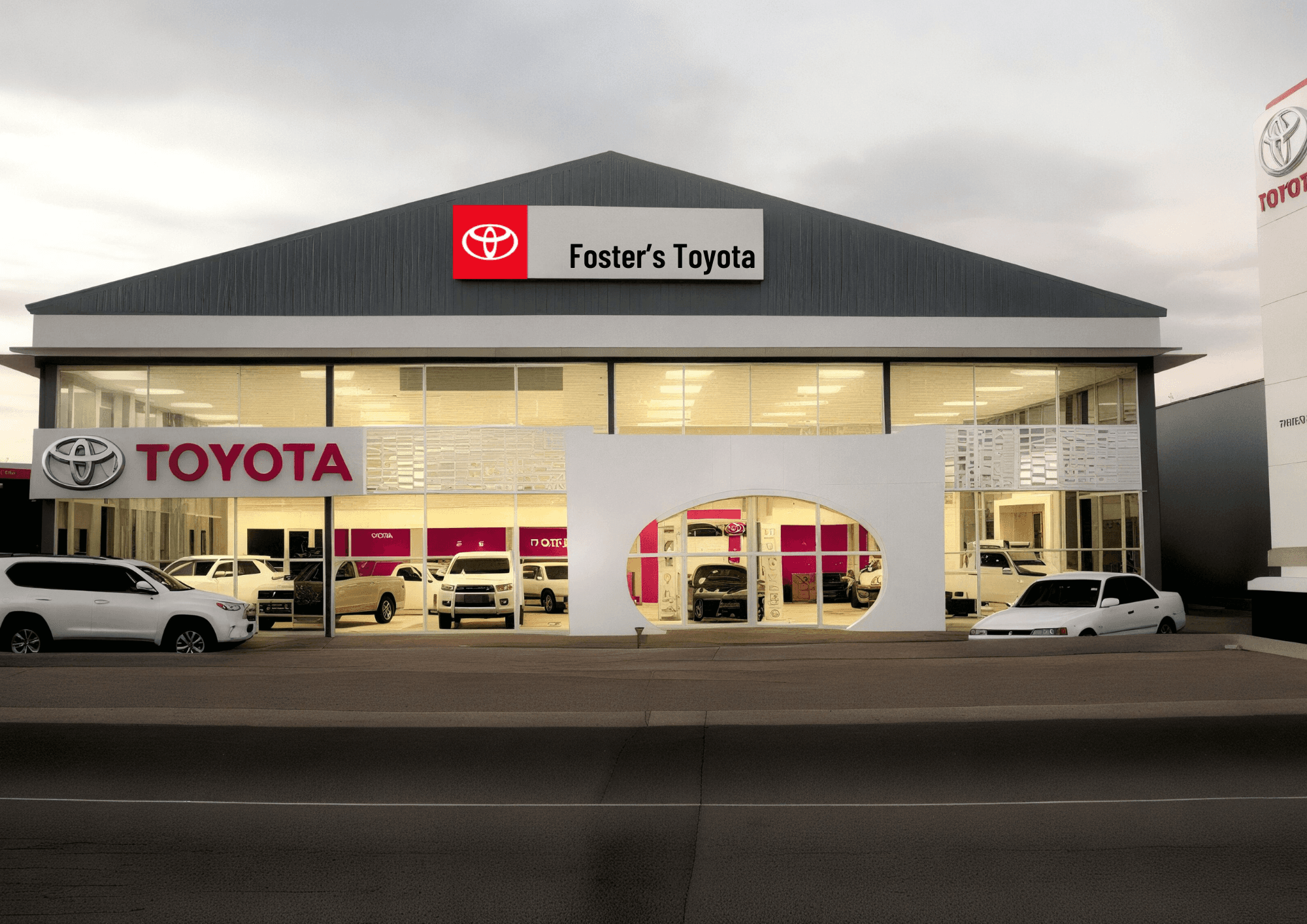
For a personalised experience, consider visiting Fosters Toyota in Robertville. Our team is here to assist you with any questions and help you find the perfect Toyota Hilux for your needs. Book a test drive today!
